Hydro excavation is the safest way to dig near underground services in New Zealand. High-pressure water and vacuum suction expose cables, pipes and conduits without the force that lets a mechanical bucket sever a fibre line or rupture a gas main. But safe equipment is not the same as a safe result. The method is only as good as the operator running it, and a handful of avoidable mistakes account for most of the delays, damage and extra cost that crews still run into.
This guide covers the common mistakes NZ crews make with hydro excavation equipment, why each one matters, and how to avoid them. Whether you are new to non-destructive digging or looking to tighten up your crew’s practice, these are the habits that separate a clean, efficient dig from an expensive one.
1. Using the Wrong Water Pressure
Water pressure is the first thing crews get wrong, in both directions. Too much pressure and you risk damaging the very asset you are trying to expose, cutting into cable insulation or scouring a pipe. Too little and you are wasting time, working slowly through ground that a correctly set jet would cut cleanly.
The right pressure depends on the ground and on what is buried in it. Hard, compacted or clay ground needs more pressure to break up; soft ground and close proximity to a known service need less. The mistake is treating pressure as a set-and-forget dial rather than something you adjust to the conditions in front of you. Start conservative near a known asset, confirm what you are dealing with, and increase only as much as the ground requires. Good technique here is what keeps hydro excavation genuinely non-destructive.
2. Poor Slurry Management and Overloading the Spoils Tank
The spoils tank has a finite capacity, and running it past that point creates problems. An overloaded tank is a transport compliance issue: you can end up over your axle or towing weight limits on the way to the disposal site, which is both illegal and hard on the machine. It also reduces vacuum performance and can make the load unstable.
The mistake is treating the tank as something to fill to the brim before thinking about disposal. Plan your disposal around the tank capacity and the distance to the disposal point, and empty before you are forced to. Keeping an eye on the fill level throughout the job, rather than discovering it is full at the worst moment, keeps the dig moving and keeps you legal on the road.
3. Skipping Daily Wear and Tear Checks
Hydro excavation equipment works hard, and small issues become big ones when they are ignored. Nozzle blockages reduce cutting performance and cost time. A worn or blocked suction hose reduces vacuum. Damaged couplers leak. None of these are dramatic on their own, but they add up to a machine that underperforms and eventually breaks down mid-job.
The mistake is skipping the daily checks because the machine seemed fine yesterday. A quick routine, checking the nozzle, the hose and couplers, the water and fuel, and the boom controls before you start, catches the small problems while they are still small. On a well-designed machine these checks take minutes, and they are the cheapest insurance you can buy against a lost afternoon.
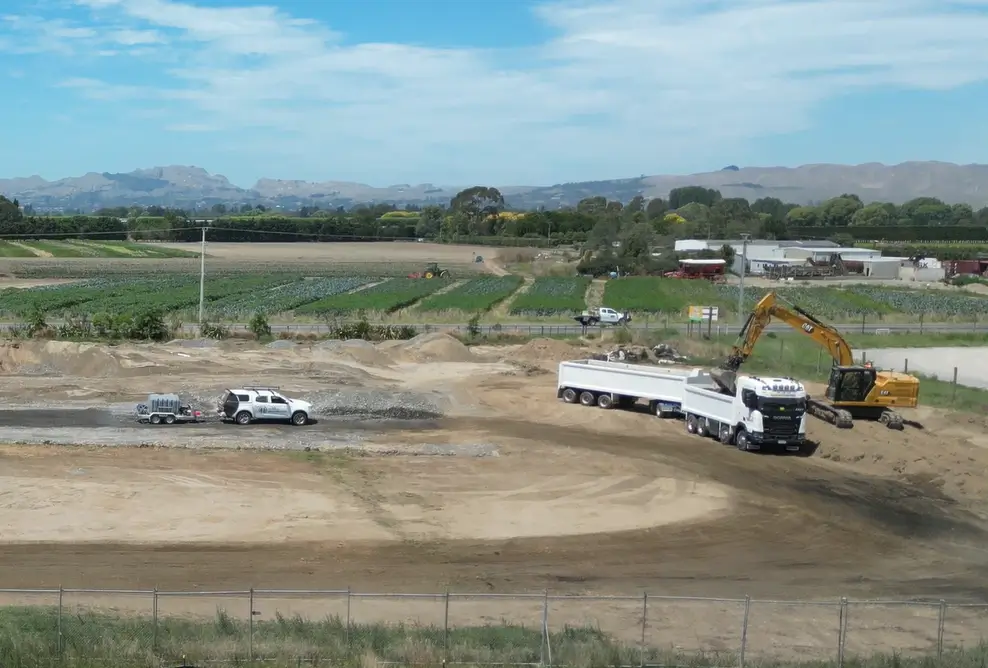
Hydro excavation in progress on a civil site, with operators using controlled water pressure and vacuum suction to expose services while minimising the risk of damage.
4. Digging Before Services Are Properly Located
Hydro excavation is safer than mechanical digging, but it is not a substitute for locating services first. The mistake is treating the water jet as permission to dig blind because it is the safe method. It reduces the risk of a strike, it does not remove your obligation to know what is in the ground.
Before you dig, get your plans, use the Dial Before You Dig service, and use electronic location where appropriate. Remember that plans are not always accurate, depths vary, and services move over time, so treat the located position as a guide rather than gospel. Hydro excavation then does its real job: confirming, by carefully exposing the asset, that it is exactly where the plans say it is. Skipping the locating step and relying on the method alone is how crews still manage to damage services with a hydrovac.
5. Poor Lance Technique Near Assets
Even at the right pressure, technique matters. Holding the lance too close to an asset, or in one spot for too long, concentrates the water’s energy and can damage a service that a moving, correctly angled jet would have exposed safely. The mistake is treating the lance like a pressure washer rather than a precision tool.
Keep the jet moving, work at an angle rather than straight onto the asset, and back off the pressure as you get close to what you are exposing. The goal is to wash the material away from the asset, not to blast at the asset itself. This is a skill that comes with training and experience, which is why operator competency is part of doing hydro excavation properly.
6. Ignoring Spoil Disposal and Transport Compliance
The spoil you vacuum up has to go somewhere, and where it goes is a compliance question. Wet slurry, contaminated material and general spoil each have different disposal requirements, and getting this wrong can mean fines and remediation costs. The mistake is treating disposal as an afterthought once the tank is full.
Plan disposal before you start: know where the material is going, whether it is contaminated, and what the site and regional rules require. Factor the round trip to the disposal point into your day so it does not blow out your programme. Handled properly, spoil disposal is routine. Ignored, it is a cost and a compliance risk that lands after the dig is done.
7. Running the Wrong Machine for the Job
Matching the machine to the job is a decision made before the crew even arrives on site, and getting it wrong makes everything harder. A large truck-mounted unit on a tight residential driveway is more machine than the site can take. A small unit emptying its tank every hour on a high-volume drainage job is a false economy in lost time.
Master Machinery builds two units for exactly this reason. The HydroMaster 1000 is the compact, towable option for potholing, residential and tight-access work handled by a single operator. The HydroMaster 2000 is the truck-mounted unit for higher-volume utility, drainage and infrastructure work. Choosing the right one for your typical work is the mistake that is easiest to avoid and one of the most costly to get wrong.
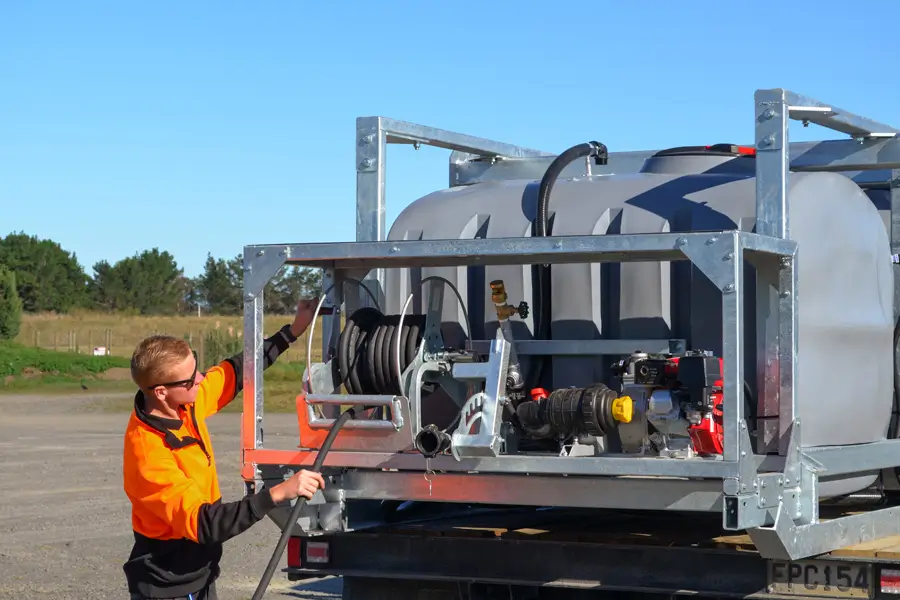
A compact hydro excavation unit working in a tight-access area, where choosing the right machine size helps crews work safely and efficiently without unnecessary site disruption.
How the HydroMaster Range Helps You Avoid These Mistakes
Good equipment does not remove the need for good practice, but it makes the right habits easier. The HydroMaster range is built around a full vacuum system that keeps working in wet and saturated ground, so you are not fighting the machine when conditions turn. Both units use a liquid ring vacuum with no filters to replace, which removes one of the common wear-and-tear failure points other machines have.
The HydroMaster 1000’s 3 inch suction hose has self-clearing couplers, so a blockage can be cleared by reversing the hose rather than pulling the job apart, and its manually operated telescopic boom keeps setup simple for single-operator work. On the truck-mounted HydroMaster 2000, remote-controlled boom operation keeps the operator in a safe position with a clear view of the work. And because both units are laid out to be serviced and checked easily, the daily routine that catches small problems is quick to do rather than a chore to skip.
The Bottom Line
Hydro excavation is the safest digging method available for work near underground services, and the mistakes that undermine it are all avoidable. Set your pressure to the ground and the asset, manage your tank and your spoil, do your daily checks, locate before you dig, keep your lance technique clean, and run the right machine for the job.