A hydro vacuum excavator is a specialist tool, not a replacement for every digger on site. Used in the right situations it is the safest and most efficient way to break ground. Used everywhere, it is slower and dearer than it needs to be. The skill is knowing which jobs genuinely call for one.
A hydrovac uses pressurised water to cut and loosen the ground and a powerful vacuum to lift the spoil into a sealed tank. Because water and suction do the digging, buried assets are exposed rather than struck. That single characteristic decides where a hydrovac earns its place. Below are the jobs where it is the right call, and the jobs where a mechanical digger is still the better option. If you want the wider comparison first, start with hydro vacuum excavator vs digger.
The short answer
A hydro vacuum excavator is the right tool when any of the following are true:
You are digging near, or need to expose, underground services.
A strike would be dangerous, costly or a breach of your consent.
Access is tight, or the surrounds cannot tolerate a large machine.
The ground is wet, saturated or unstable.
A council or utility specifies non-destructive digging for the works.
When none of those apply, and you are moving bulk soil in open, confirmed service-free ground, a mechanical digger is usually faster and cheaper. Here is how that plays out job by job.
1. Exposing and locating underground services (potholing)
Potholing is the classic hydrovac job and the reason many NZ contractors buy one. Before major works start near buried infrastructure, a small, careful excavation confirms exactly where a service sits and how deep it runs. Location plans are a guide, not gospel: depths vary, services shift, and records are not always accurate.
A hydrovac exposes the service cleanly with near-zero risk of damage, giving you verified information to plan around. Doing the same with a digger bucket is a gamble even in careful hands. Potholing first is how you turn an uncertain dig into a known quantity.
2. Pole holes and post holes near services
Holes for power poles, sign posts, fencing and street furniture are often needed in exactly the places services congregate, such as berms, verges and footpaths. A hydrovac cuts a clean, accurate hole without the lateral risk of an auger or bucket catching a cable or conduit alongside the bore.
The spoil comes up into the tank rather than piling around the hole, which keeps a tidy footprint on urban and residential sites where mess and reinstatement are both a problem.
3. Trenching and slot-trenching near utilities
Where a trench has to run alongside or across existing services, a hydrovac lets you cut a controlled slot exactly where you need it. This is common for new fibre, power and water connections in established streets, where multiple services already share the corridor.
The controlled removal of material around a cluster of services is something mechanical equipment struggles to do safely. Many contractors use a hydrovac for the high-risk exposure and slot work, then bring in mechanical plant for the open runs once services are located and marked. For the safety reasoning behind that split, see hydro excavation vs trenching.
The hydromaster 2000 working in a tight residential environment, where precise digging and a compact working footprint help reduce disruption around existing services and property.
4. Drainage and stormwater clean-outs
Blocked drains, silted culverts and stormwater sumps are a high-frequency job for civil and council maintenance crews. A hydrovac clears them without the crew climbing in or reaching into a confined structure, and the vacuum lifts saturated spoil and slurry that a bucket cannot handle cleanly.
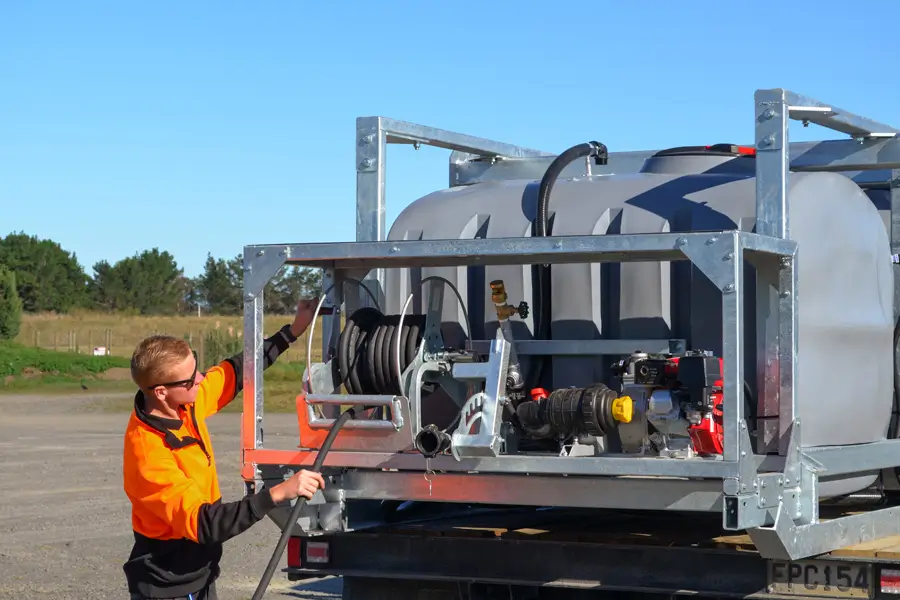
This is where a full vacuum system matters. Both the HydroMaster 1000 and HydroMaster 2000 feature a full vacuum system and integrated boom, built to keep suction high even when the standpipe is fully submerged. The compact 1000 handles localised wet jobs easily, while the truck-mounted 2000 offers the tank capacity for continuous, high-volume slurry extraction in saturated ground.
5. Confined-space and tight-access digging
Not every site suits a truck or an excavator. Residential driveways, footpaths, indoor works, and jobs hard up against buildings and services all limit what you can physically get in and swing. A hydrovac digs precisely in spaces where a machine simply will not fit or cannot be used safely.
This is where a compact trailer unit comes into its own. The HydroMaster 1000 is towable and sized for tight access, so a single operator can get it up a driveway or onto a footpath and dig exactly where needed. Our list of tricky places to dig in New Zealand covers more of these access-limited situations.
6. Wet, saturated or unstable ground
Water-logged and unstable ground is difficult and dangerous to dig mechanically. Sides slump, water pools, and a bucket working blind in saturated soil is a strike risk. A hydrovac with a genuine vacuum system handles wet material well, lifting slurry straight into the tank instead of leaving a collapsing hole.
For low-lying NZ sites, high water tables and winter conditions, this is often the deciding factor. A machine that keeps working when the ground is wet keeps the programme on track through conditions that would stop mechanical digging.
7. Works where councils or utilities require it
On a growing number of NZ contracts, non-destructive digging is not optional. Councils, utility owners and corridor managers specify it for works near their assets, particularly in CBDs, residential streets and anywhere services converge. In those cases the question is not whether a hydrovac is worth it, but which unit fits the site. For the background on why this shift is happening, see what hydro excavation is and why NZ contractors are switching.
When a mechanical digger is still the better call
A hydrovac is not the answer to everything, and pretending otherwise wastes money. A mechanical digger remains the better tool for:
Bulk earthworks in open ground with services confirmed absent.
Long trench runs and large-volume soil removal where utility risk is low.
Very hard or rocky ground where water pressure alone is not cost-effective.
Jobs where speed and volume matter far more than precision.
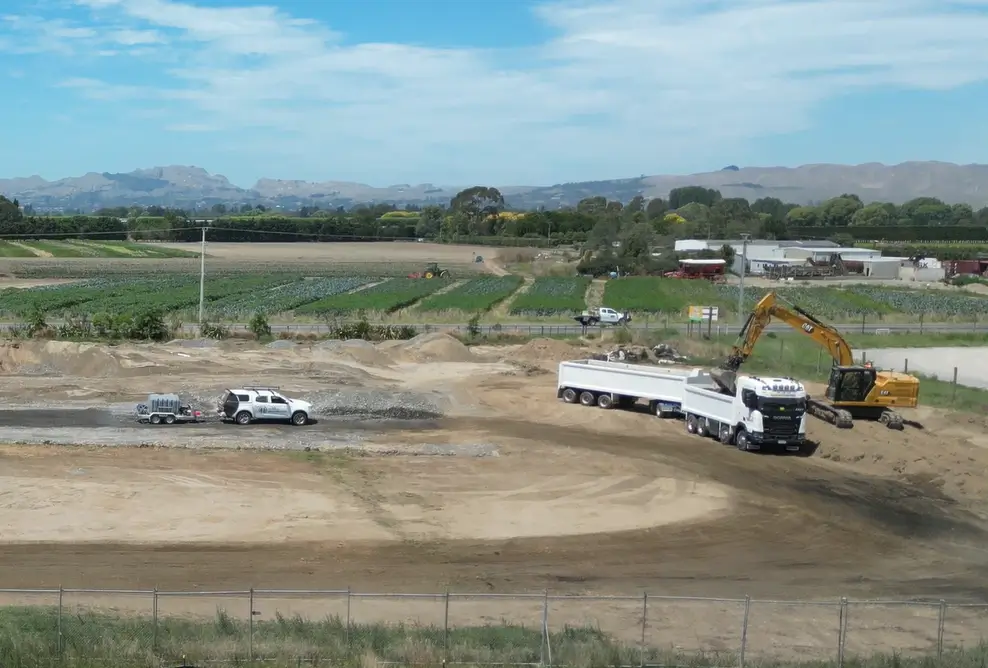
The most cost-effective approach on complex jobs is usually both: a hydrovac for the high-risk exposure and precision work, and mechanical plant for the bulk removal once the ground is proven clear.
The Hydromaster 2000 being used on a civil site to carry out controlled digging, helping crews work safely and accurately.
Choosing your unit: HydroMaster 1000 or 2000
Master Machinery builds two units so you can match the machine to the work. The HydroMaster 1000 is the compact, towable option for potholing, residential and tight-access jobs handled by a single operator, with the same full vacuum system and boom in a compact, towable package. The HydroMaster 2000 is the truck-mounted unit for higher-volume utility, drainage and infrastructure work, with a 2 cubic metre spoils tank, full vacuum system and remote-controlled boom.