Overview
Is your next digging job in Auckland, Wellington, or anywhere across New Zealand? You’re weighing up your options. Traditional digging with a digger is common. But is it always the best way? Let’s talk about hydro vacuum excavators. Are they the future for safe and precise digging? What’s the right tool for your specific job? This blog will compare hydro vacs and diggers directly.
Understanding Diggers: Traditional Excavation
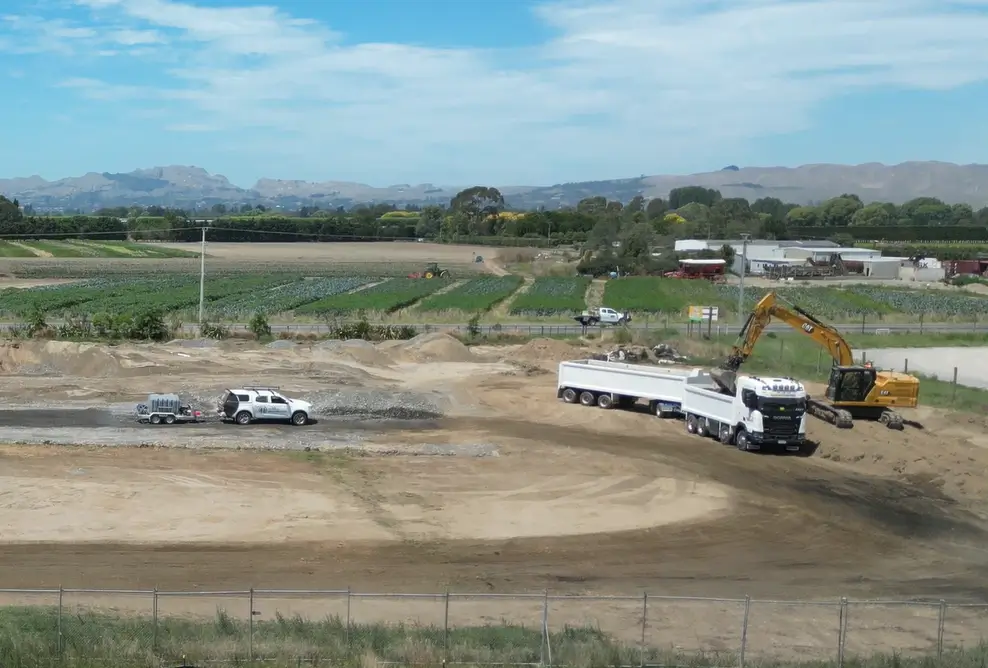
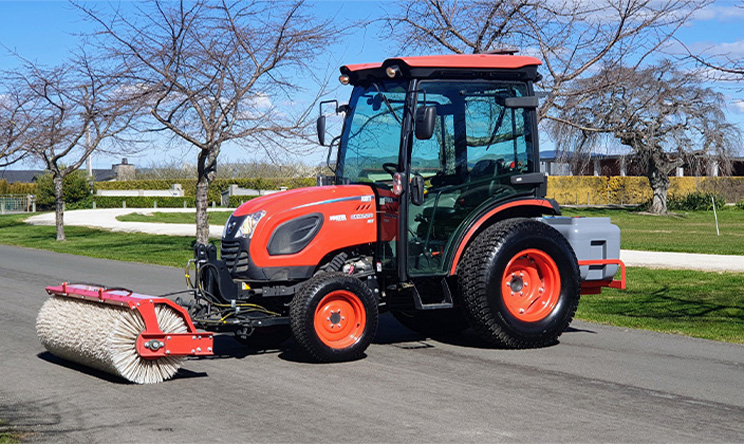
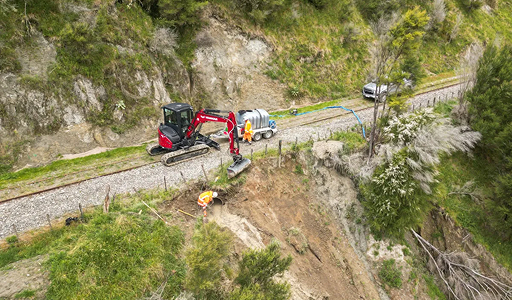
What is it? A digger does what it says on the tin: it digs and it’s a powerful machine for getting the job done. Diggers are a faster solution for large, open-area earthmoving. They are good for moving lots of dirt quickly. Diggers are commonly used in construction and roading projects.
However, traditional digging carries risks. There’s a risk of hitting buried underground utilities and services which can be costly and dangerous. Diggers are also less precise. They cause more ground disturbance and can therefore cause more damage. That’s worth thinking about if you’re digging somewhere like Wellington CBD with all those underground cables!
Enter the Hydro Vacuum Excavator: The Precision Tool
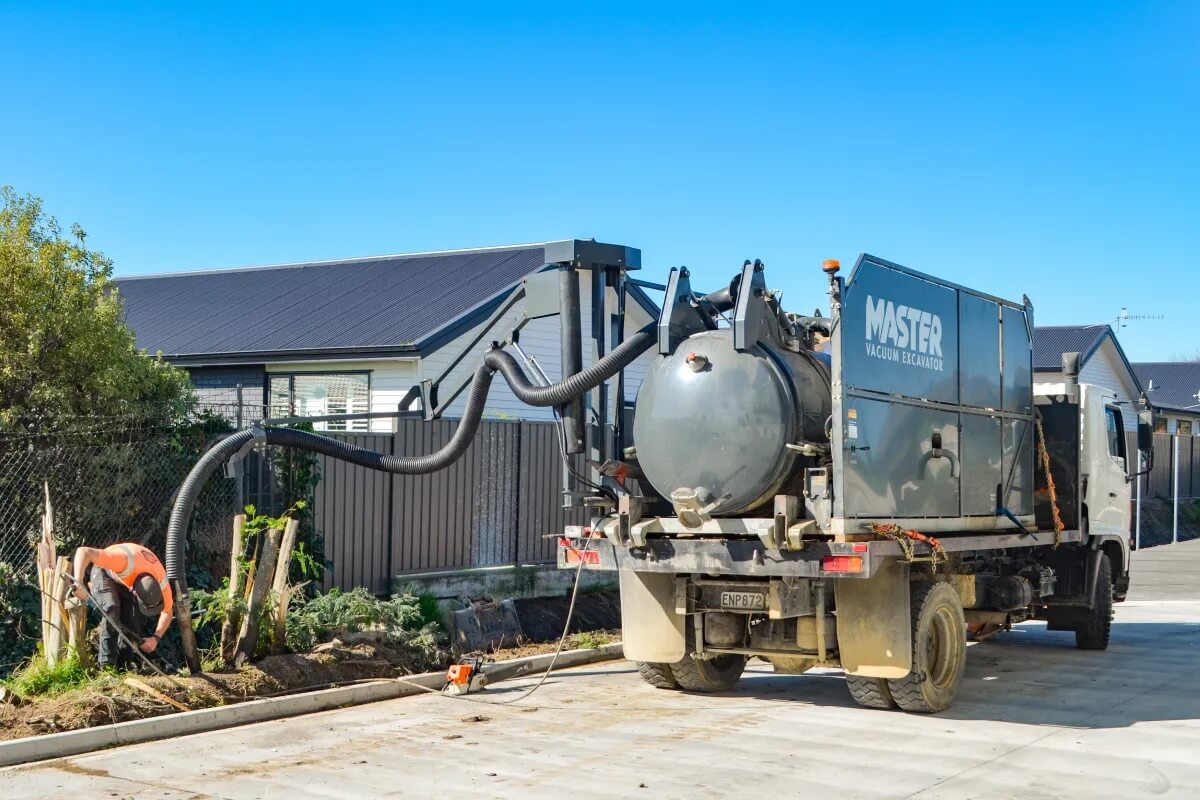
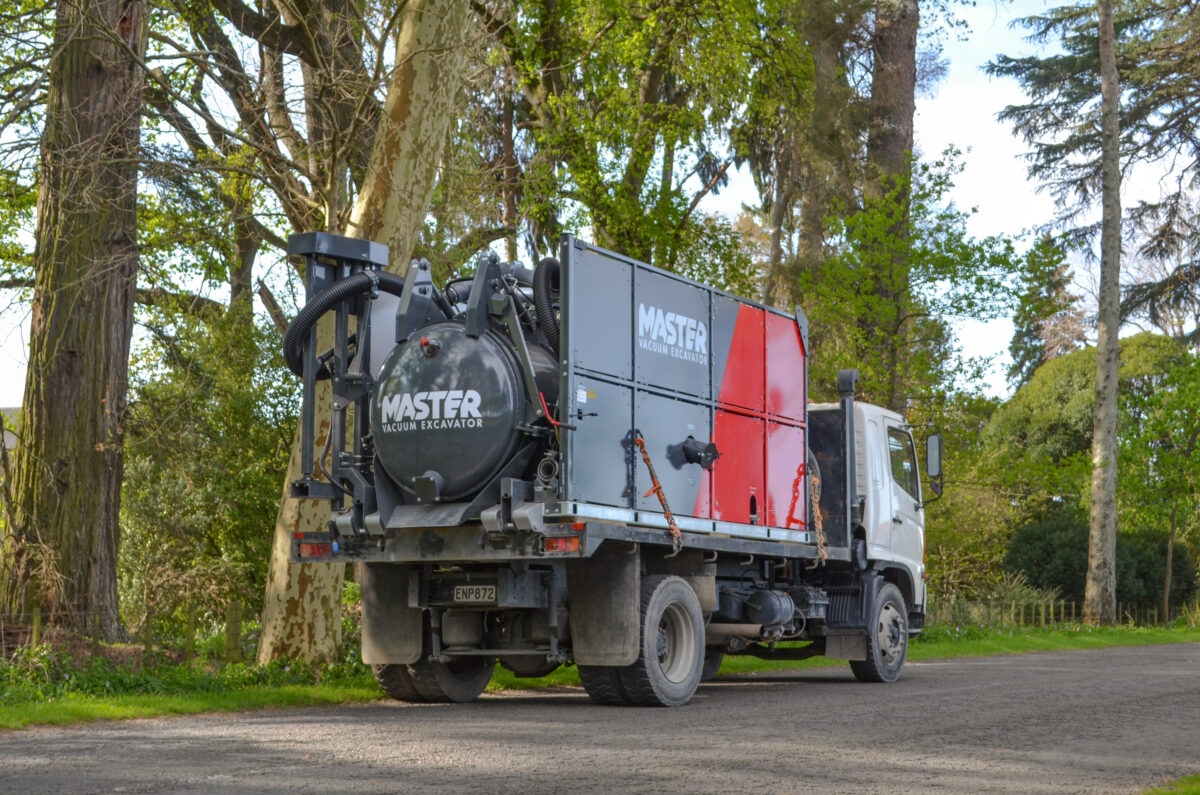
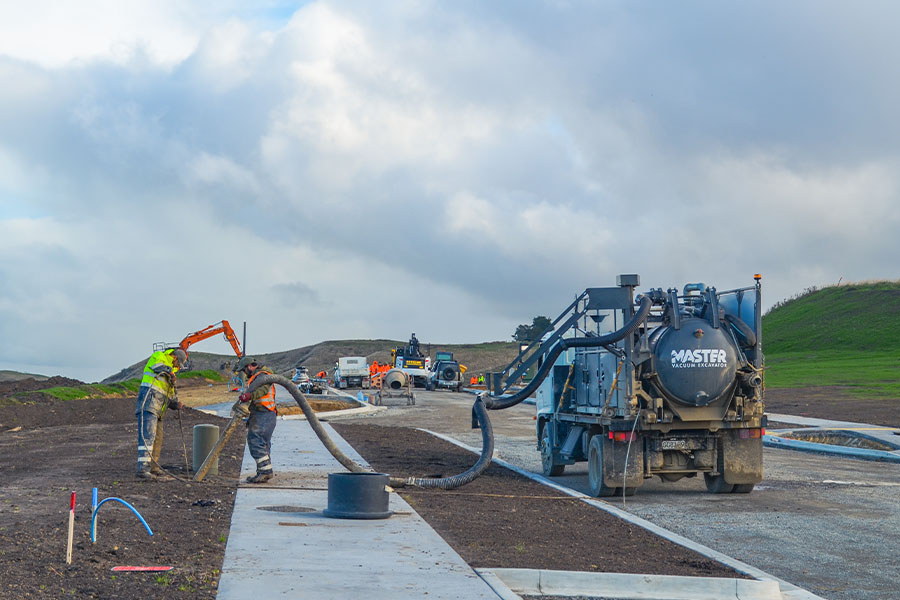
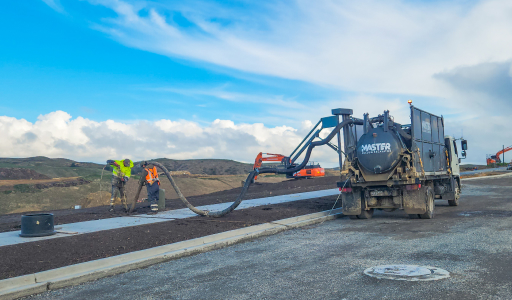
What is a Hydro Vacuum Excavator (hydro vac)? A hydro vac uses high-pressure water and a powerful vacuum to excavate. It’s Non-Destructive Digging (NDD).
How does it work? High-pressure water loosens the soil. Then the vacuum sucks it up.
The key advantage of a hydro vac is Non-Destructive Digging (NDD). It’s the safest way to work around underground utilities. NDD minimises damage to pipes, cables, and infrastructure. It’s crucial for compliance and safety standards across New Zealand.
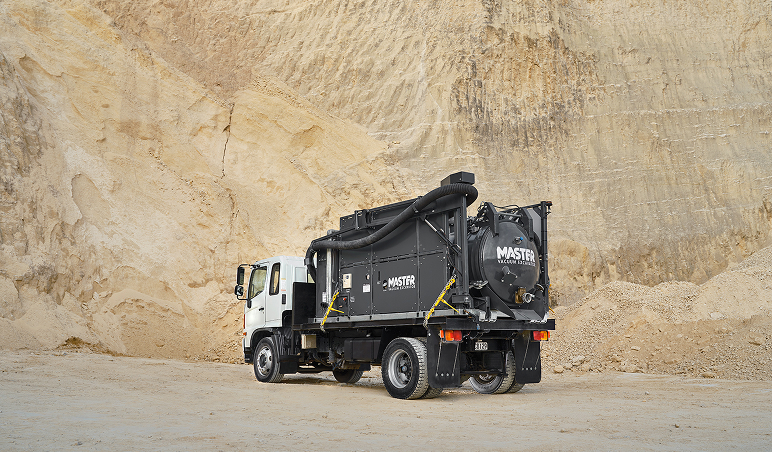
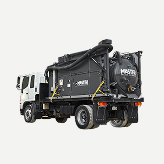
The HydroMaster 2000 is a hydro vacuum excavator with all the features you need. Explore its features in more detail on our website or contact our team and find out more about adding this piece of equipment to your fleet.
Hydro Vac vs. Digger: A Direct Comparison
Let’s put them head-to-head. When it comes to safety, the hydro vac wins for NDD. A digger carries a higher risk of striking services. For precision, a hydro vac offers extreme accuracy. A digger is broad and less precise.
Speed depends on the job. Straight digging with a digger is faster in open ground. A hydro vac is slower but safer around services. That means for a precision dig it could be a much faster solution.
Now, spoils. A digger moves dry dirt, which is sometimes easier to handle on-site. A hydro vac creates wet slurry (mud). This needs correct disposal. Is it a pro or a con? It depends on your specific site.
Hydro vacs mean minimal ground disturbance. Diggers create larger trenches. Applications differ too. Hydro vacs are perfect for utility locating, trenching around services, potholing, and pole holes. They are great if you’re working in a tight spot – like adding an extension or retaining wall next to an existing building. Diggers are best for mass excavation, bulk earthworks, and general trenching away from services.
Cost is also a factor. A hydro vac might seem more expensive per hour. But consider the cost of hitting a fibre optic cable. Also, think about the unhappy neighbours when their Wi-Fi goes down! It’s also worth remembering that the precision dig of a hydro vac could make for a faster delivery on the job – meaning less hire time, and a more productive team.
Wet Vac vs. Dry Vac: What's the Difference?
Wet vacuum excavation uses water to break up soil. It creates a slurry. This method is very effective for various soil types. It works well on hard, cohesive, and frozen soils, like clay, rock, or frozen ground. This is common in New Zealand.
 Dry vacuum excavation uses air to break up and remove soil. It collects dry material. This is good for sensitive environments or where water is limited. It’s less common for heavy digging but has its place. Dry vacuum excavation is best for loosely compacted, granular soils such as sand and silt.
Both methods have their pros and cons; remember to think about spoil handling for each.
Compliance and Peace of Mind
NDD with a hydro vac is often required. It helps you meet safety regulations. Avoiding damage is key. Imagine the fines and delays from hitting a power line in Wellington. Hydro vacs offer a robust solution for working safely around critical infrastructure. Knowing you’re not going to cause a major incident is priceless.
Time to talk to the team at Master Machinery?
Both tools have their place. For safety, precision, and working around buried utilities, a hydro vacuum excavator is a smart choice. For sheer grunt work, the digger still rules.
Still weighing your options? Talk to the team at Master Machinery. We understand your needs. Contact us to discuss your next project, whether you’re in the North Island or in the South Island. Get in touch to find out more about our Master Machinery equipment range or make a purchase today!
Your questions answered
What’s the main difference between a hydro vacuum excavator and a traditional digger?
The main difference is that a hydro vacuum excavator uses high-pressure water and suction to move earth, whereas a traditional digger uses a mechanical metal bucket. This makes hydro excavation “non-destructive,” while traditional digging is “mechanical.”
The key differences include:
- Safety Around Utilities: A traditional digger can easily slice through underground power or gas lines. A Hydro Vac uses water to liquefy the soil, which flows safely around pipes and cables without damaging them.
- Precision vs. Bulk: Traditional diggers are built for moving large amounts of dirt quickly. Hydro Vacs are built for surgical precision, allowing you to dig small, deep holes or narrow trenches without disturbing the surrounding ground.
- Site Cleanliness: A digger leaves piles of spoil on the ground that need to be moved later. A Hydro Vac sucks the slurry directly into a debris tank, leaving the site clean and ready for work.
- Space Requirements: Diggers need room to swing their arms and tracks. A Hydro Vac can operate from a distance using long hoses, making it ideal for tight spots or indoor work where a machine can’t fit.
- Environmental Impact: Hydro excavation causes less ground vibration and noise than a heavy excavator, making it a better choice for sensitive urban environments.
Choosing the right tool depends on your job. If you’re clearing a large paddock, a digger is the way to go. If you’re digging near services or in a tight spot, the Hydro Vac is the smarter, safer choice.
What are the advantages of wet vacuum excavation?
The main advantage of wet vacuum excavation – also known as hydro excavation – is its ability to dig safely and precisely without the risk of damaging underground services. By using high-pressure water to break up the ground, it turns soil into a slurry that is instantly vacuumed away, providing a cleaner and safer alternative to mechanical digging.
The top advantages include:
- Non-Destructive Digging: Water is “soft” on infrastructure. It safely exposes power cables, gas mains, and fibre optics that a metal bucket would likely strike or sever.
- Superior Precision: You can dig incredibly small, neat holes (often called “potholing”) to verify the exact location of utilities. This reduces the size of the repair or installation area.
- Zero On-Site Mess: All excavated material is sucked directly into the machine’s debris tank. This eliminates spoil piles, dust, and mud from the work area, which is vital in busy urban spots.
- Remote Access: Because the suction and water are delivered through hoses, you can dig in areas where a traditional machine cannot reach, such as inside buildings or behind fences.
- Reduced Costs: While the hourly rate for a Hydro Vac can be higher than a small digger, you save thousands by avoiding utility strikes, fines, and the manual labour needed for hand-digging.
- Efficiency in Hard Ground: High-pressure water can cut through heavy clay or frozen ground far more effectively than manual shovelling, keeping your project on schedule.
Using wet vacuum excavation is the best way to de-risk your site and keep your crew moving forward.




 Back
Back