Introduction
Are you sick of the headache of digging in tight spots? Traditional digging can be slow, costly, and dangerous, especially when hidden utilities sit right under your boots. One wrong move in a busy city centre, like the narrow lanes of Wellington, can shut the whole job down and blow your budget.
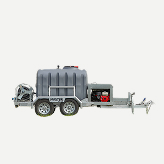
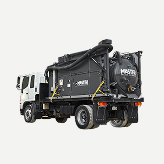
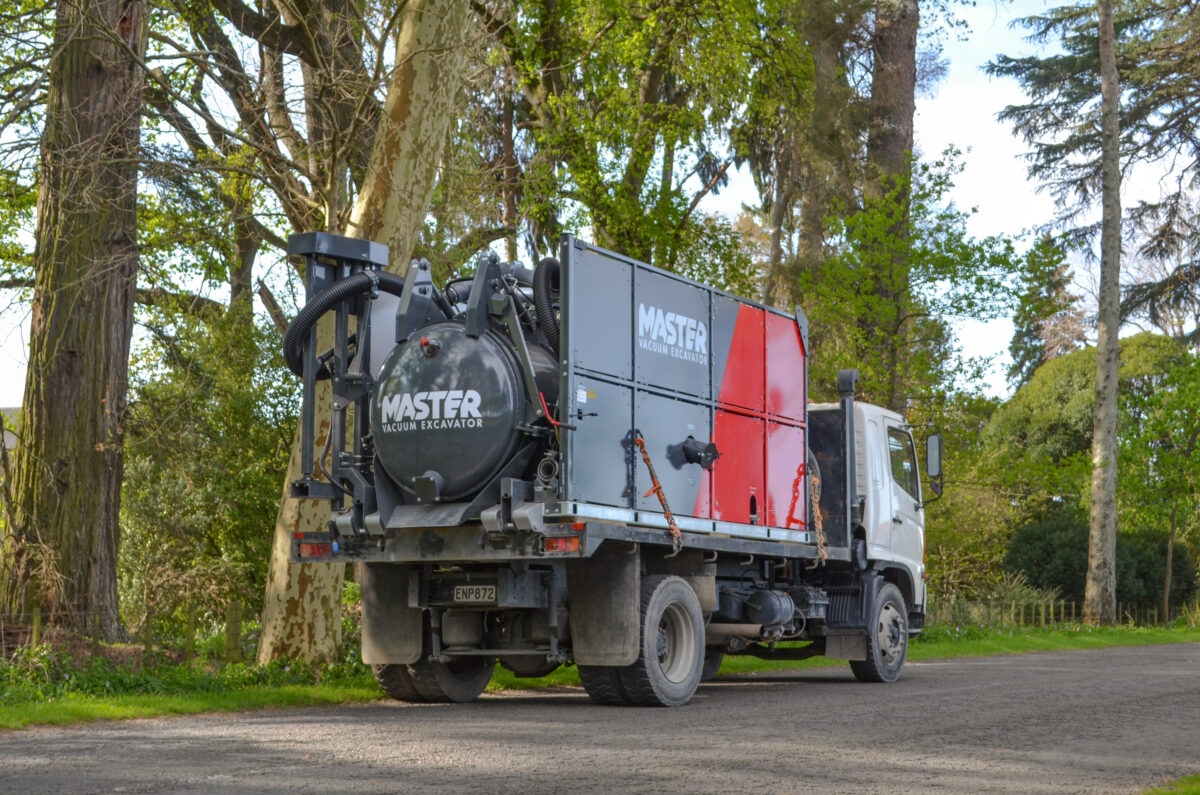
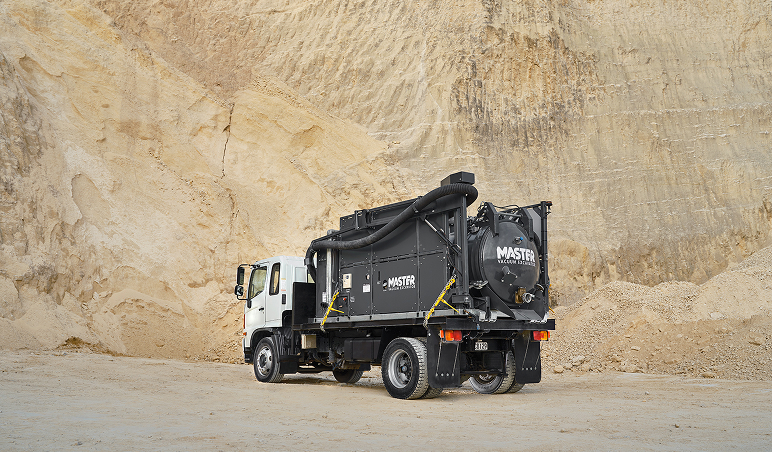
That’s why you need a better way. The HydroMaster 2000 hydro vacuum excavator is built for safe digging, even in the toughest places. It’s compact, easy to use, and powerful. We know what it’s like to work in a tricky spot because we’ve been there too. This machine is that team mate who shows up, works hard, and never makes the job harder.
In this blog, we’ll look at five real-life tight spots you might find across New Zealand where a hydro vacuum excavator is the only proper choice. Bigger units struggle for space, but the HydroMaster 2000 fits and gets on with it.
Ready to ditch the digger? Get in touch with our Master Machinery team today to see how the HydroMaster 2000 can help on your next job.
1. The Buried Utility Spaghetti in Central Business Districts (CBDs)
Trying to dig in a busy city centre like Auckland CBD can drive any crew mad. You have pipes, cables, ducts, and old services running everywhere under the concrete. You can’t just cut through it and hope for the best. Hit the wrong utility and you shut the street, halt foot traffic, and upset half the city.
Traditional digging is slow and messy. You need permits, you need traffic control, and you need a lot of luck. Even then, one wrong scoop can spell disaster.
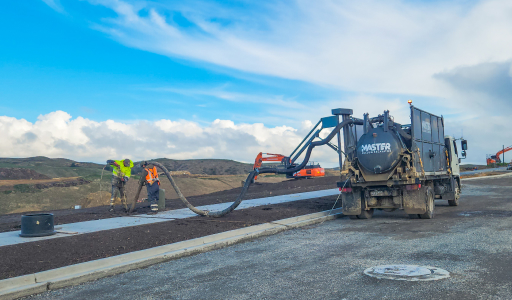
That’s where the HydroMaster 2000 is the better option. This hydro vacuum excavator gives you true non-destructive digging. It uses water and suction to expose pipes and cables without damaging them. You see exactly what services you’re working around. The job stays safe, clean, and controlled.
It also keeps traffic flowing because you dig with a small footprint. Crews stay productive, and you avoid major shutdowns. If you work in tight spots or on jobs with tricky utility location needs, the HydroMaster 2000 is the safest way to get in and out.
Want to know how it performs in your next CBD job? Call our team and let’s talk options.
2. Underneath Busy Motorway Overpasses and Bridges
Working under motorway overpasses or bridges in places like Wellington is no easy task. Space is tight. Traffic is heavy. You can’t block a lane or disrupt a busy roading network. You also can’t risk knocking anything near the bridge structure.
Traditional digging gear is often too big or too clunky for these jobs. You end up with machines that can’t move freely or crews working in unsafe positions.
The HydroMaster 2000 solves this. Its compact design allows easy access under low-clearance structures. Its precise control means you can dig exactly where you need to, even around pillars and abutments. No oversized equipment. No unnecessary vibration. No risk to structural integrity.
It also reduces the time you spend in a dangerous zone. This matters when you’re working close to traffic flow or active lanes. The machine is hard-working and reliable, so your crew gets in, does the job, and moves on.
If you deal with tough roading and limited-space works anywhere in New Zealand, give us a shout. We’ll help you choose the right setup.
3. Near Heritage Buildings and Sensitive Infrastructure
Historic areas like those found around Hamilton can cause a real challenge if you need to dig. Many buildings sit on old foundations or have aged pipes and fragile infrastructure beneath them. Heavy gear with strong vibration risks damage. One careless move could crack a pipe or weaken an already delicate base.
Traditional excavation simply isn’t safe in these spots.
So what do you do?
You use the HydroMaster 2000, the low-impact option. A hydro vacuum excavator removes soil without vibration or weight pressure. It’s gentle on heritage structures but still tough enough to get the soil out fast. It’s ideal for work near fragile sites, old clay pipes, or sensitive underground assets.
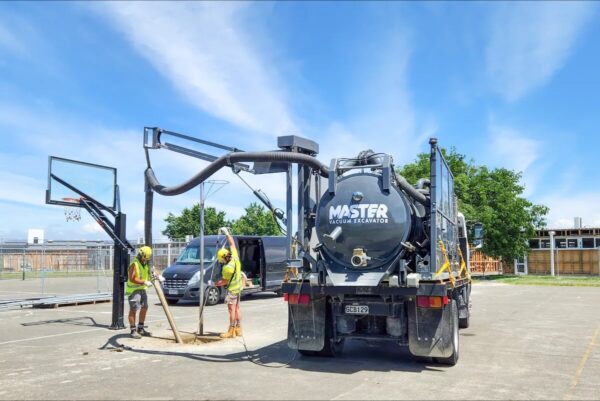 Your crew can work with confidence, knowing they won’t make the problem worse. And homeowners, councils, and heritage trusts notice when contractors take care with old buildings.
If you work near sensitive infrastructure, talk to us. We’ll help you choose the best tools for those delicate jobs.
4. Residential Footpaths and Driveways in Utility Upgrades
Utility workers in regions like the Bay of Plenty often need to access pipes or cables under residential footpaths and driveways. Homeowners want the job done fast. They don’t want a trench across their garden or concrete ripped up for no reason.
Traditional digging can leave a big mess, upset homeowners, and slow your crew down. It’s also harder to protect pipes and the root networks of established trees.
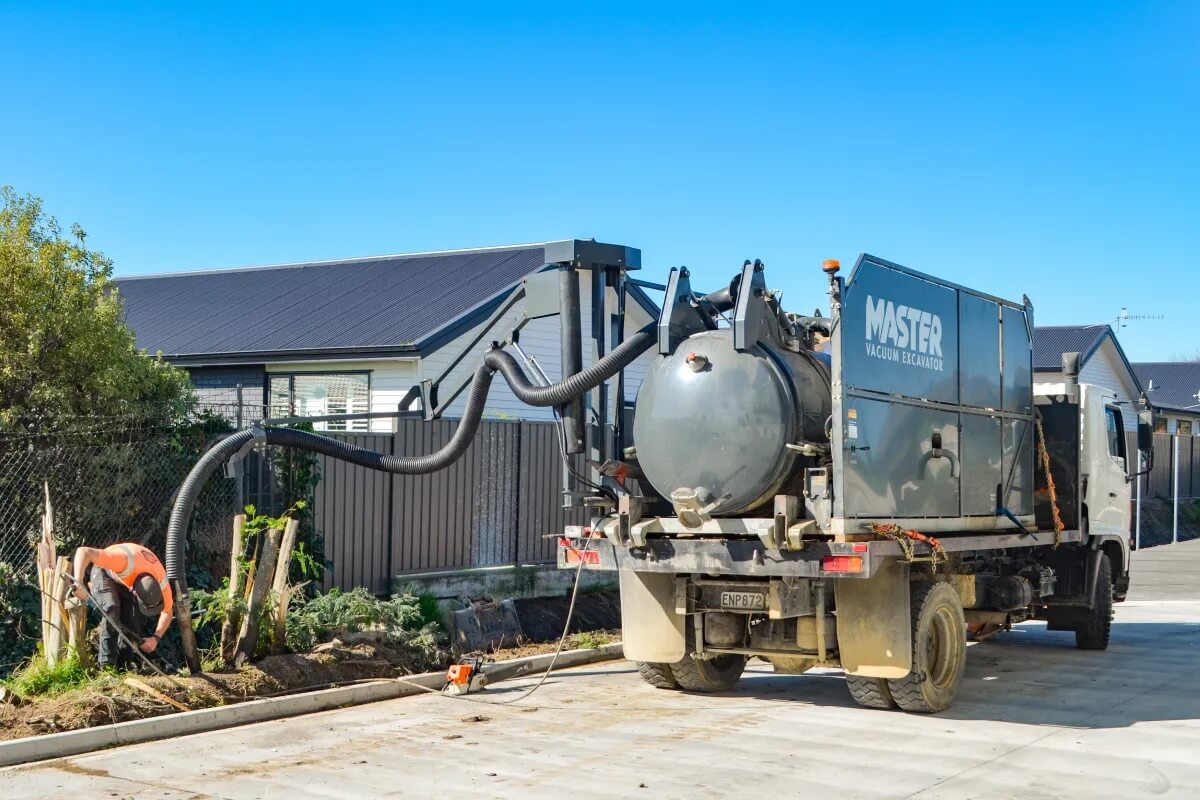
The HydroMaster 2000 makes these jobs simple. You can dig a small, clean hole right where you need it. You uncover services without damage, and your crew leaves the site tidy. No giant excavation. No major disruption.
 A smaller footprint means faster reinstatement and lower repair costs. Your team looks sharp, and the homeowner stays happy.
If you’re in utilities or residential upgrades, give us a call. We’ll set you up with gear that makes light work of tight neighbourhood jobs.
5. Crowded Industrial Sites and Plant Maintenance
Industrial sites are often cluttered. Equipment sits close together. Pipes and cables run in tight trenches. You often can’t fit traditional machinery in the space. You also can’t risk damage to active plant systems.
These maintenance jobs require accuracy and care. One wrong move can shut down production.
The HydroMaster 2000 shines here. It’s compact, nimble, and powerful. It can suck material from tight corners, around machinery, and near live services with total control. It never forces you to choose between safety and speed.
Traditional digging methods can’t touch these confined spaces, but the HydroMaster 2000 gets in, cleans out, and keeps everything else untouched. For industrial crews and plant maintenance teams in areas like Northland, it’s the smart choice.
Want to see how it works on your site? Talk to our crew today.
Ready to give the HydroMaster 2000 a try?
Working in tight urban spots doesn’t need to be a nightmare. These five jobs across New Zealand show how traditional digging struggles in confined spaces. The HydroMaster 2000 beats old-school methods every time. It’s safer, faster, cleaner, and far less likely to land you in trouble with a utility strike or structural damage.
We like to get the job done right, and we know you do too. When you choose Master Machinery, you choose equipment built for the Kiwi construction industry. Hard-working. Reliable. Ready for anything.
Don’t take risks on your next job. Talk to our team today to learn more about the Master Hydro Vacuum Excavator range, pricing, and options.
Contact us at mastermachinery.co.nz or call Jeremy on 021 713 194 to make your purchase or find out more.
Your questions answered
Why is traditional digging difficult in central business districts (CBDs)?
Traditional digging is difficult in CBDs because of the high density of underground utilities and limited working space. In cities like Auckland and Wellington, the ground is a “spaghetti junction” of power, gas, water, and fibre optic lines.
The main challenges include:
- Risk of Strikes: Striking a buried service with a bucket causes costly repairs and safety risks.
- Tight Spaces: Standard excavators struggle to swing or dump soil in narrow city streets.
- Public Disruption: Heavy machinery creates noise, dust, and vibrations that affect local businesses and pedestrians.
- Reinstatement Costs: Digging a large trench requires more expensive road repairs afterward.
For digging projects in CBDs, we recommend the HydroMaster 2000. These machines use water to “soft dig,” which avoids utility damage and keeps the site clean.
How does the HydroMaster 2000 help when digging near sensitive infrastructure?
The HydroMaster 2000 helps by using high-pressure water to liquefy soil, allowing for “non-destructive” digging around sensitive infrastructure. Unlike a metal excavator bucket, water flows around pipes and cables without cutting or crushing them.
Key benefits for infrastructure work include:
- Precision Digging: The operator can target a specific spot.
- Reduced Strike Risk: It safely exposes fibre optics, gas mains, and power lines. This eliminates the risk of costly service strikes.
- Debris Control: The powerful vacuum system sucks up slurry immediately. This keeps the site clean.
- Lower Vibration: Water digging doesn’t cause the ground shocks that a digger can cause – reducing the risk of cracking old clay pipes or disturbing building foundations.
Using a HydroMaster 2000 means you spend less time worrying about what’s underground and more time getting the job done.